

BoaoMay 17, 2026 /PRNewswire/ — May 16 is World Hereditary Angioedema (HAE) Awareness Day. In response to the global theme “Active for HAE,” the “Standardized Diagnosis and Practice: HAE Standardized Diagnosis and Long-term Prevention Management Seminar,” guided by the Rare Disease Professional Committee of the Chinese Hospital Association and supported by Takeda China, was held in Boao, Hainan. Closely aligned with the “Healthy China 2030” strategic deployment and the goal of high-quality development in rare disease diagnosis and treatment, the seminar focused on core topics such as early screening and diagnosis of HAE, standardized treatment, long-term prevention, and full-cycle management. It gathered leading allergy experts from across the country to discuss diagnostic consensus, address clinical challenges, build a prevention and control system, drive diagnostic and treatment upgrades through innovation, and safeguard patient health through multi-party collaboration. The goal is to comprehensively advance the construction of China’s standardized HAE diagnosis and treatment system, ensuring that every HAE patient can receive professional, standardized treatment as early as possible and return to a normal life sooner.
Beware of the Lethal Nature of HAE: Prioritizing Early Screening
HAE is a rare and potentially fatal genetic disease that primarily affects the skin, gastrointestinal tract, and upper respiratory tract. In recent years, the diagnosis rate of HAE in China has been less than 5%[1], remaining at an extremely low level. Many potential patients remain undiagnosed, facing the long-term lethal risk of asphyxiation due to laryngeal edema.
Over 80% of HAE patients develop the condition before age 30[2]. Because skin symptoms closely resemble common allergies, it is highly prone to misdiagnosis and missed diagnosis. Long-term, repeated misdiagnosis and mistreatment not only severely disrupt patients’ daily work and life but also directly lead to life-threatening consequences.
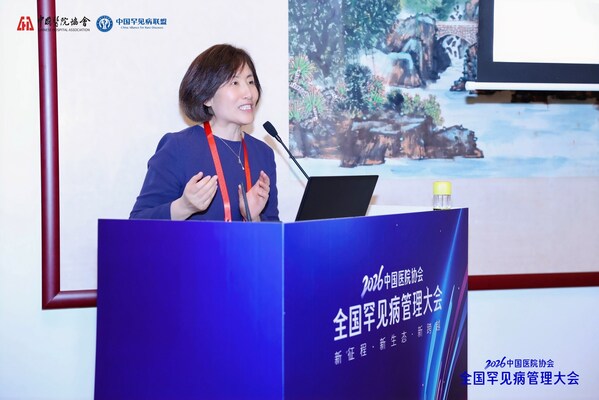
Speech by Professor Zhi Yuxiang, Chief Physician of the Department of Allergy at Peking Union Medical College Hospital
Professor Zhi Yuxiang, Chief Physician of the Department of Allergy at Peking Union Medical College Hospital, emphasized during the seminar: “When a patient develops facial angioedema, high alert is necessary because acute laryngeal edema can cause asphyxiation in as little as 10 minutes, with a fatality rate of up to 40% if not treated promptly[3]. Clinically, complement C4 testing is a cost-effective initial screening method for HAE. It is recommended that all high-risk individuals presenting with angioedema, laryngeal edema, or recurrent abdominal pain with intestinal wall edema undergo routine complement C4 screening. If complement C4 levels are decreased, further testing of C1 esterase inhibitor concentration and function can confirm the diagnosis, followed by long-term management to achieve the treatment goal of ‘zero attacks.’ At the same time, we recommend promoting the availability of C1-INH concentration and function testing within hospitals to enable more patients to be diagnosed early. Hospitals with intelligent information systems should also conduct retrospective reviews of high-risk patients to accelerate clinical diagnosis. Using consensus to guide clinical practice, we aim to advance the HAE screening threshold, improve diagnostic accuracy and efficiency, identify hidden patients as early as possible, and avoid lethal risks.”
MDT Breaks Down Disciplinary Barriers, Gradually Upgrading to Long-term Prevention
Beyond its lethality, another notable feature of HAE is its unpredictability. Most HAE attacks cannot be accurately predicted and can occur anytime, anywhere, significantly impacting patients’ lives. With the continuous iteration and clinical application of innovative therapies for rare diseases, the HAE treatment model is transitioning from “acute attack management” to “long-term prevention and control.”
This seminar precisely focused on the actual treatment needs of Chinese HAE patients, conducting in-depth discussions and sharing experiences on key innovative directions such as long-term prevention management strategies, real-world data research progress, breakthroughs in nC1-INH-type HAE treatment, the construction of standardized multidisciplinary team (MDT) pathways within hospitals, and the “patient map” for full lifecycle management. The goal is to steadily advance HAE diagnosis and treatment toward standardization, full-cycle care, and long-term controllability.
Professor Cheng Lei, Director of the Department of Allergy at Jiangsu Province Hospital, pointed out: “The treatment goal for HAE is ‘zero attacks,’ meaning complete disease control, allowing patients to return to normal life[2]. Its diagnosis and treatment are not about managing a single attack but involve a systematic project covering the entire lifecycle. We need to establish standardized long-term prevention plans, optimize acute attack treatment processes, break down disciplinary barriers through MDT collaboration, and build a ‘patient-centered’ personalized management model. This will make standardized treatment accessible, feasible, and sustainable, truly alleviating patients’ physical pain and psychological burden.”
Uniting Multi-Sector Forces to Build a Rare Disease Diagnosis and Treatment Ecosystem
Promoting standardized diagnosis and treatment for rare diseases requires policy support, industry collaboration, and social attention. Li Linkang, Executive Chairman of the China Rare Disease Alliance, stated: “May 16 is World HAE Awareness Day. We hope to take action in the name of care, allowing more people to see the real challenges faced by HAE patients. Rare disease prevention and treatment is a key component of the ‘Healthy China’ strategy. Due to its unpredictable lethal risks, HAE requires heightened attention from society. We call on all sectors to work together to raise awareness of HAE, promote standardized diagnosis and early screening, and protect every HAE patient with professionalism and compassion, ensuring no rare disease patient is left behind on the path to health.”
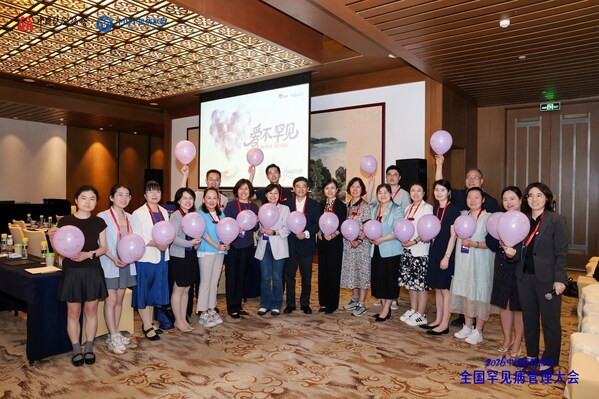
Attendees jointly launched the HAE Diagnosis and Treatment Action Initiative — ‘Love is Not Rare, Active for HAE!’
To this end, the seminar released a video podcast interview titled “Living Differently, Embracing Life Freely,” produced by the podcast platform “Story FM” for HAE patients, conveying their voices and calling for social care and support for the HAE patient community. With the theme “Active for HAE,” the conference was grounded in clinicians’ daily diagnostic and treatment practices, forming a consensus on HAE diagnosis and full-course management. It aimed to solve HAE diagnostic and treatment challenges through professional expertise, enabling more patients to enter standardized treatment pathways as early as possible and return to a freer, higher-quality life. The conference also united all attending experts to jointly launch the HAE Diagnosis and Treatment Action Initiative — “Love is Not Rare, Active for HAE!” — calling for collaborative efforts to enhance disease awareness and diagnostic standardization, bringing tangible support and change to more HAE patients.
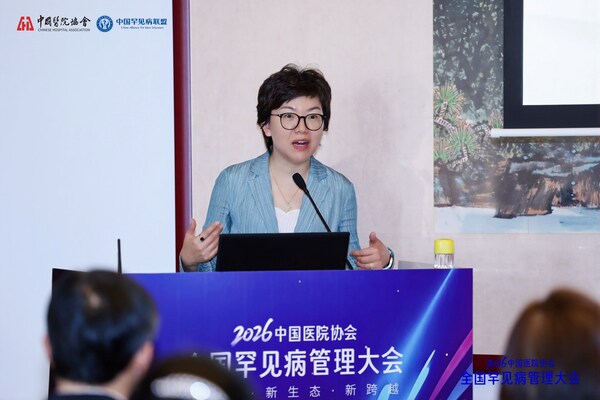
Speech by Dr. Liu Yan, President of Takeda China
Dr. Liu Yan, President of Takeda China, stated: “HAE is one of the key rare disease treatment areas where Takeda is deeply committed. In China, we consistently uphold our ‘patient-centered’ commitment, continuously accelerating the availability of global innovative therapies for Chinese patients, promoting the construction of standardized HAE diagnosis and treatment, and building a full-cycle patient care system. In the future, Takeda will continue to collaborate with all parties to build a more accessible, sustainable, and compassionate HAE diagnosis and treatment ecosystem, helping every HAE patient embrace a free life and contributing to the high-quality development of Healthy China and China’s rare disease initiatives.”