

ShanghaiApril 30, 2026 /PRNewswire/ — 2026 marks the inaugural year of the “15th Five-Year Plan,” with the nation anchoring on high-quality development, making comprehensive efforts in food safety, green development, and people’s livelihood security to outline a blueprint for a new era. As a brand deeply rooted in the condiment industry for over three decades, Totole actively responds to the national strategy, integrating policy directions into corporate practices. It systematically deploys initiatives across three key dimensions: food safety, green manufacturing, and care for special groups, interpreting Nestlé Group’s corporate mission of “Creating Shared Value” through innovative actions, forging a path of responsibility that resonates with the nation’s development.
Guided by New National Standards, Forging a “Shield of Assurance” Across the Entire Chain
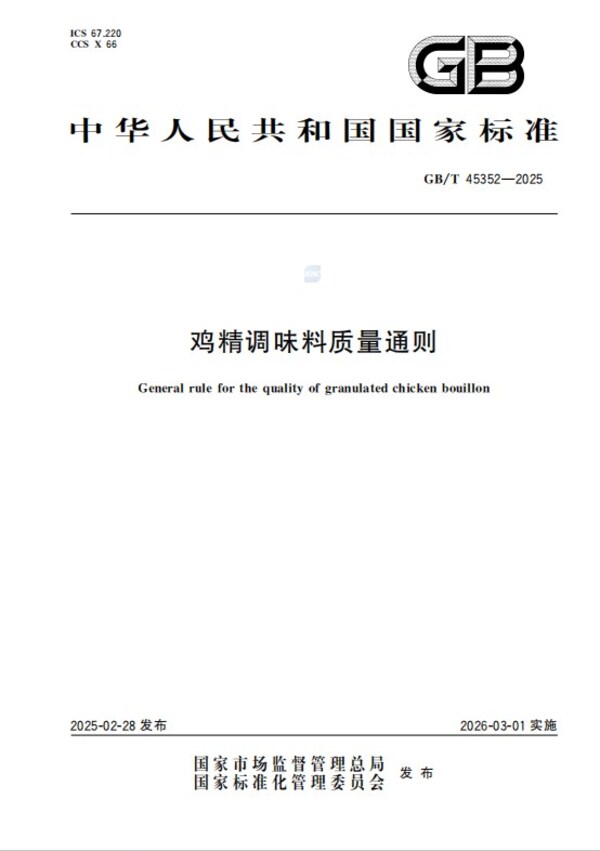
At the front end of the supply chain, Totole implements a strict supplier access and incoming inspection mechanism; in the production phase, it introduces intelligent production lines and online monitoring, ensuring full traceability of key data; before finished products leave the factory, they undergo multiple inspections including sensory, physicochemical, and microbiological tests, with its testing laboratory having received CNAS international accreditation. Relying on extreme quality control throughout the entire process, Totole consistently ensures stable product quality while consuming an average of 35,000 chickens per day[1], maintaining a significant position in the chicken bouillon market.
In terms of product innovation, Totole closely follows the “Healthy China 2030” strategy, responding to consumer upgrade demands through technological breakthroughs. The creation of Totole Low-Sodium Chicken Bouillon stems from a profound insight into consumers’ health needs and taste experiences. Compared to traditional rich chicken bouillon, it reduces sodium content by over 25%, yet through advanced umami extraction technology, it maintains a high umami index of 2.3, truly achieving “reduced salt without sacrificing flavor”; Totole Matsutake Mushroom Bouillon, with matsutake mushrooms as the core ingredient, uses the natural freshness of mushrooms to partially replace salt, enhancing dish flavor while reducing sodium intake, precisely aligning with consumers’ demand for “natural, healthy, and additive-free” products; in packaging, Totole has gradually replaced traditional packaging with upgraded spout versions, not only facilitating precise dosage control to avoid waste but also effectively preventing moisture and ensuring product freshness and hygiene.
Based on “Green Factories,” Painting a Blueprint for High-Quality Development
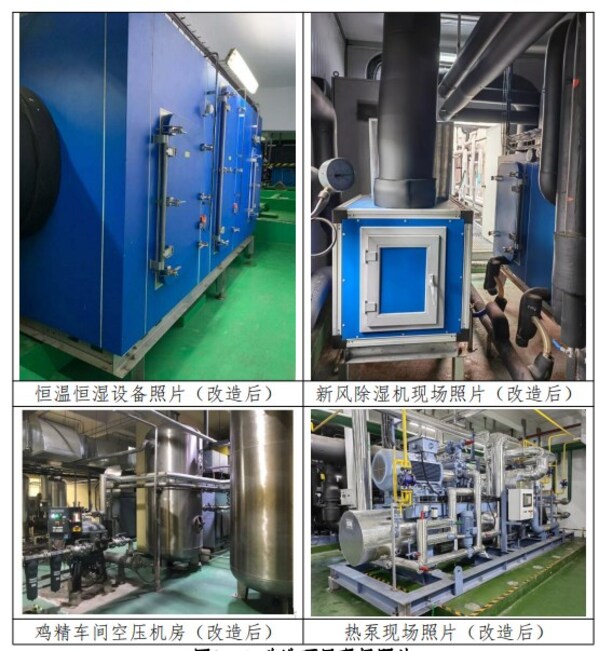
Facing the higher requirements for green development in the “15th Five-Year Plan,” Totole proactively laid out green production transformation, systematically advancing energy conservation, carbon reduction, and resource recycling, and was successfully recognized as a national-level “Green Factory” in March this year. In terms of equipment upgrades, from 2022 to 2024, Totole replaced a series of key energy-consuming equipment such as heat pump units, air conditioning systems, and dryers, saving an average of 1,186 tons of standard coal annually, reducing carbon emissions in the production process. The upgrade and replacement of key equipment such as boiler burners, air compressors, and chicken steaming units, along with the implementation of the fluidized bed condensate heat recovery project, further reduced steam consumption, ensuring efficient and low-energy operation throughout the process.
In pollution prevention, Totole actively builds a “Zero-Waste Factory” and has been included in the Jiading District “Zero-Waste Cell” creation list. In the packaging phase, following the “3R1D” environmental principle, it promotes 100% recyclable packaging by eliminating lamination, reducing bottle weight, and using renewable aluminum-plated bags, planning to reduce the use of virgin plastics by about one-third. In logistics, it is accelerating the introduction of electric logistics vehicles to build a low-carbon supply chain.
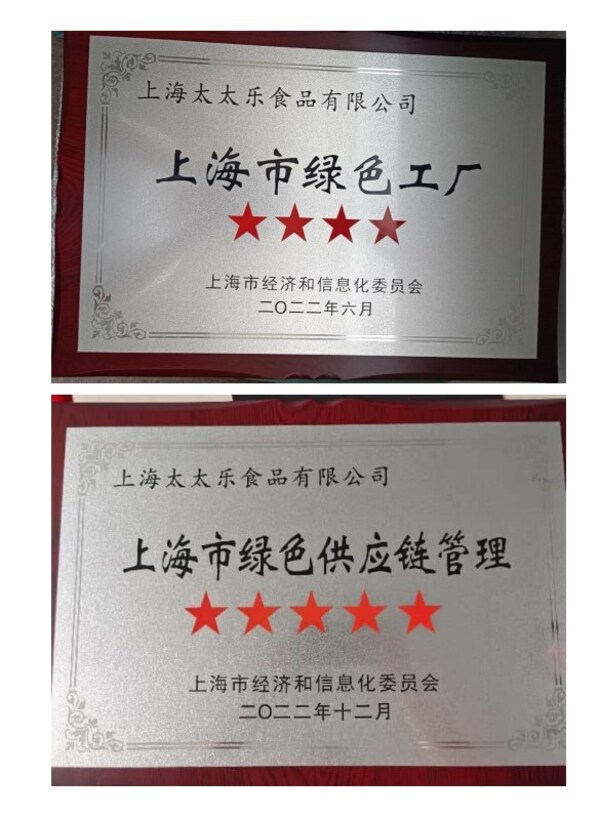
In management, Totole has obtained certifications such as the FSSC 22000 Food Safety System Certification and the ISO 14001 Environmental Management System Certification. Thanks to its continuous efforts in the sustainability field, Totole was awarded the title of “Shanghai Energy Conservation Publicity Week Green and Low-Carbon Partner” by the Office of the Shanghai Energy Conservation Publicity Week Organizing Committee in 2025. Previously, it had also won a series of heavyweight honors including “Shanghai Green Factory (Four-Star),” “Shanghai Green Supply Chain Management (Five-Star),” “Shanghai Smart Factory,” and “Top 100 Manufacturing Enterprises in Shanghai.” Totole always benchmarks against the Group’s “Net Zero Carbon Emissions Roadmap,” committing to achieving net zero carbon emissions together with the Group by 2050.
Bridged by “Love Kitchen,” Paving the Path to Self-Reliance for Special Groups
The “15th Five-Year Plan” places high importance on the care and employment support for special groups. Totole launched the “Love Kitchen” public welfare project in September 2022, using cooking education as a link and adhering to the concept of “teaching a man to fish,” to help children with autism, adolescents with intellectual disabilities, and other groups acquire life skills and enhance their social adaptability. The project helps special groups master practical life skills through progressive cooking lessons. At the same time, through diverse activities such as public welfare summer camps, tree-planting events, and factory visits, it helps special groups integrate into society. Notably, Totole particularly encourages employees to participate in public welfare projects, forming a “gathering sparks into a flame” public welfare ecosystem through material donations, course planning, and daily companionship.
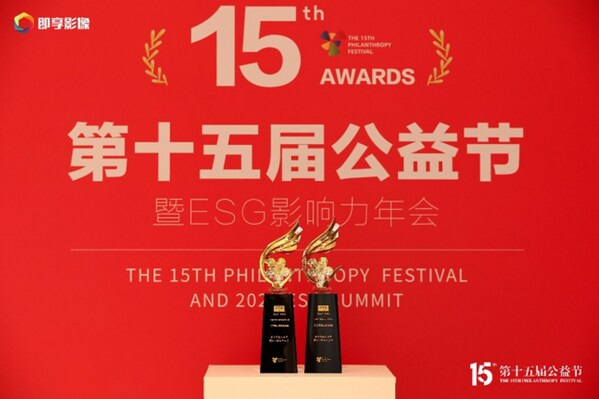
Currently, Totole’s “Love Kitchen” has established physical kitchens in seven locations including Shanghai, Yunnan, and Sichuan, conducting over a hundred activities, benefiting more than ten thousand people, and even helping some special trainees achieve employment, truly practicing the public welfare philosophy of “teaching a man to fish.” Due to its innovative model, the project has received high social recognition, winning honors such as the “15-Year Business for Good Model Award” at the 15th Public Welfare Festival, the “2025 Public Welfare Image Award,” and the “2025 Golden Bee Corporate Social Responsibility • China List • ESG Competitiveness Model • Sustainable Development” award, creating a positive social demonstration effect.
From upholding the bottom line of food safety and leading the green manufacturing transformation to deeply engaging in public welfare care, Totole translates the policy direction of the “15th Five-Year Plan” into internal driving forces for corporate development, demonstrating the brand’s sense of responsibility in every step of practice. Facing the new journey, Totole will continue to use pragmatic innovation as its pen, writing its own solid answers in the era’s topic of high-quality development.
[1] Calculation basis: The total tonnage of chicken raw materials purchased by the Totole brand for producing all series of bouillon products in 2024 divided by statutory working days (1 chicken ≈ Totole’s minimum procurement standard of 1kg).