

- Visitors to the Taste of London 2026 cultural center experience Saudi cuisine firsthand.
- The pavilion showcases the diversity of Saudi cuisine through regional dishes, local ingredients, and hospitality.
- Award-winning chef Bader Alshaikh and chef and culinary curator Myasem Adham bring Saudi culinary heritage and contemporary food culture to an international audience.
Riyadh, Saudi ArabiaJune 25, 2026 /PRNewswire/ — The Saudi Arabian Culinary Arts Commission, one of 11 sector commissions under the Ministry of Culture, successfully hosted the “Taste of London 2026” event at Regent’s Park from June 17 to 21, welcoming visitors to its “Taste of Saudi Culture” pavilion. Over the five-day festival, the pavilion served Saudi dishes and beverages, introducing visitors to the flavors, ingredients, and hospitality traditions that define Saudi culinary culture.
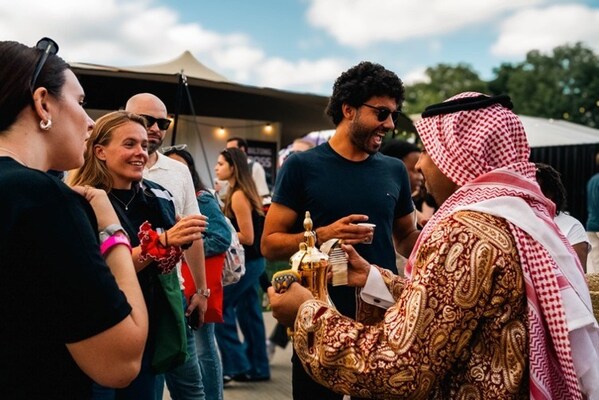
Taste of London visitors experience Saudi hospitality and culture at the country’s pavilion.
Mayada Badr, CEO of the Culinary Arts Commission, said: “Food offers a unique window into culture, and the Taste of Saudi Culture is an opportunity to share Saudi Arabia’s culinary traditions with an international audience. Through traditional dishes, local ingredients, and the hospitality that defines Saudi culinary culture, visitors can discover the richness of Saudi cuisine and the stories behind it.”
Visitors sampled a range of traditional Saudi dishes, including haneeth, a slow-cooked lamb dish; balila, a popular chickpea dish; and mutabbaq, a crispy stuffed pastry. The pavilion also offered Saudi-inspired beverages, including a mango mocktail infused with Haili sarar, a traditional chili spice from the Hail region of Saudi Arabia, as well as ice cream flavors inspired by local ingredients such as kleija and sidr honey.
A key feature of the pavilion was its live cooking area, where chefs Bader Alshaikh and Myasem Adham led demonstrations throughout the festival, introducing visitors to traditional cooking techniques, local ingredients, and contemporary Saudi culinary experiences.
The pavilion also showcased a curated selection of Saudi food and craft brands, including pottery, perfumes, chocolates, dates, tea and coffee, as well as dried fruits and nuts, offering visitors the opportunity to explore and purchase products inspired by Saudi culture and traditions.
This participation reflects the Culinary Arts Commission’s ongoing efforts to promote Saudi culinary heritage internationally and create opportunities for global audiences to engage with Saudi Arabia’s diverse food culture.