

ShanghaiJune 9, 2026 /PRNewswire/ — Hua Medicine (“the Company,” Hong Kong Stock Exchange Stock Code: 2552.HK) today announced that the Company presented a series of research findings on its first-in-class glucokinase activator (GKA) dorzagliatin (trade name: Huantangning®; Hong Kong trade name: MYHOMSIS®) at the 86th American Diabetes Association (ADA) Scientific Sessions. Through oral presentations and poster displays, the Company multi-dimensionally showcased breakthrough progress in key areas centered on its metabolic homeostasis technology platform, including synergistic combination therapies, large-scale post-marketing real-world evidence, AI-powered precision diagnosis, and personalized treatment tools. These findings further support the mechanistic advantage of dorzagliatin in restoring blood glucose homeostasis from the root cause, suggest its therapeutic potential in complex metabolic diseases such as type 2 diabetes (T2D), metabolic dysfunction-associated steatotic liver disease (MASLD), obesity, and maturity-onset diabetes of the young type 2 (MODY2), and continue to solidify Hua Medicine’s leading position in global blood glucose homeostasis research.
I. Leveraging the Metabolic Homeostasis Platform to Broaden the Therapeutic Landscape for Pan-Metabolic Diseases
Dorzagliatin targets glucokinase (GK), the “glucose sensor,” as its core target. By restoring impaired GK function and expression in patients with type 2 diabetes, it enhances the glucose sensitivity of glucose-regulating organs in T2D patients, enabling multi-organ coordinated regulation of the pancreas, liver, and intestines. This improves patients’ blood glucose homeostasis, providing a novel therapeutic paradigm for diabetes and a range of metabolic disorders.
Based on this unique mechanism, Hua Medicine highlighted three studies on combination therapies in animal models of metabolic diseases at this year’s ADA. The results showed that combining dorzagliatin with drugs such as oral small-molecule GLP-1 receptor agonists, thyroid hormone receptor beta agonists (THR-β agonist), and pan-PPAR agonists can produce synergistic effects, potentially offering multiple benefits beyond glucose lowering, including weight reduction, lipid regulation, uric acid reduction, and improved insulin sensitivity.
Among these, Hua Medicine presented preclinical research findings on the combination of dorzagliatin with the oral small-molecule GLP-1 receptor agonist orforglipron via an oral presentation. This study confirmed for the first time in an animal model the synergistic effect of a GKA combined with an oral small-molecule GLP-1 receptor agonist, providing mechanistic and data support for an oral combination strategy of homeostasis restoration plus incretin activation. Furthermore, the study results suggested that the combination therapy could potentially address a common challenge affecting GLP-1 receptor agonist adherence in clinical practice: gastrointestinal tolerability issues.
The study utilized an hGLP-1R transgenic mouse model with diet-induced obesity (DIO), mimicking the pathological state of human obesity with type 2 diabetes. After four weeks of once-daily oral administration, the study systematically evaluated differences between monotherapy and combination therapy in terms of blood glucose control, insulin secretion, body weight, blood lipids, and safety.
Mechanistically, dorzagliatin restores GK function in the pancreatic islets, liver, and intestines, reshapes blood glucose homeostasis, enhances glucose-stimulated insulin secretion (GSIS), and promotes endogenous GLP-1 secretion. Orforglipron directly activates the GLP-1 receptor, providing potent weight loss, glucose lowering, and lipid improvement, but carries a risk of gastrointestinal adverse effects. The results presented in this poster display showed synergistic effects of the combination therapy in the following areas:
- Synergistic and Potent Glucose Lowering: The combination group exhibited a synergistic glucose-lowering effect, significantly superior to monotherapy, with the potential to reduce the dosage of both drugs (low-dose combination achieving effects comparable to high-dose monotherapy). Orforglipron also amplified dorzagliatin’s improvement of beta-cell function and hepatic glucose metabolism.
- Significant Enhancement of β-Cell Function: Dorzagliatin improved beta-cell function in DIO mice. The combination therapy showed synergistic gains in insulin secretion function and sensitivity, achieving better blood glucose control and beta-cell protection.
- Maintained Weight Loss and Lipid Regulation Benefits: The combination group retained orforglipron’s weight loss effects and benefits on lipid regulation.
- Safety and Tolerability: The combination therapy was generally well-tolerated with no new safety signals. Dose sparing could significantly reduce common GLP-1 class gastrointestinal reactions such as nausea and vomiting, improving long-term adherence.
This study suggests that the combination therapy achieves triple synergy in glucose lowering, weight loss, and lipid regulation. While significantly reducing fasting and postprandial blood glucose, it can reduce the dosage of the GLP-1 receptor agonist, thereby decreasing gastrointestinal adverse effects. This holds promise for providing a more effective, better-tolerated oral combination regimen with differentiated advantages for patients with type 2 diabetes and obesity. In the future, Hua Medicine will further conduct clinical studies to verify the efficacy and safety of the combination therapy in humans and explore optimal dose ratios and target populations.
Hua Medicine also presented two other combination therapy studies via posters:
1. In experiments using a diet-induced obesity mouse model, the combination of dorzagliatin with the THR-β agonist Resmetirom in a MASLD mouse model synergistically improved the body’s metabolic state, exerted liver-protective effects, effectively optimized blood glucose control, regulated lipid levels, reduced uric acid, and alleviated liver fibrosis. These results indicate that the combination therapy of dorzagliatin and a THR-β agonist has good clinical application potential for MASLD and T2D.
2. The combination of dorzagliatin with the pan-PPAR agonist Chiglitazar in a MASLD mouse model with obesity and diabetes showed significant synergistic metabolic benefits. Glucose-lowering efficacy was superior to monotherapy, and it optimized basal glucose metabolism while enhancing glucose-stimulated glucose metabolism efficiency. Compared to monotherapy, this combination regimen more effectively improved glucose tolerance, reduced insulin resistance, enhanced insulin sensitivity and beta-cell function, and increased high-density lipoprotein cholesterol levels. This confirms the combination’s good regulatory potential for MASLD-related metabolic disorders, providing important preclinical support for subsequent clinical studies exploring its therapeutic value in metabolic and liver diseases.
These studies collectively validate that dorzagliatin, leveraging its core advantage of restoring metabolic homeostasis, can synergize with multiple targeted drugs, potentially broadening its therapeutic landscape in pan-metabolic diseases such as obesity and MASLD.
II. Large-Scale Post-Marketing Real-World Study Supports Widespread Clinical Application
At this year’s ADA Scientific Sessions, Hua Medicine also released additional core data from its large-scale post-marketing real-world study, the “BLOOM Study.” This study focuses on the use of dorzagliatin in routine clinical settings, aiming to evaluate its long-term safety and efficacy in a broad range of type 2 diabetes patients with diverse clinical characteristics. The BLOOM Study covered 80 clinical centers across China, enrolling 2,024 patients with type 2 diabetes (62% male, mean age 55.5 years, mean BMI 25.1, diabetes duration 7.9 years, baseline HbA1c 7.8%). With a follow-up period of up to 52 weeks, it comprehensively assessed the long-term safety and effectiveness of dorzagliatin used as monotherapy or in combination with other glucose-lowering drugs in real-world clinical scenarios. The study population closely mirrors clinical reality, encompassing patients of different ages, disease durations, baseline glucose levels, concomitant medications, and complication statuses, including elderly patients, those with renal impairment, and complex patients using multiple glucose-lowering drugs including insulin. Results showed:
- During the 52-week treatment period, no drug-related serious adverse events (SAEs) or severe hypoglycemic events occurred. The incidence of clinically significant hypoglycemia was below 1%, with no new adverse reactions observed compared to Phase 3 clinical trials.
- After 52 weeks of treatment, patients’ overall HbA1c significantly decreased from baseline, and the rate of achieving glycemic targets (HbA1c < 7%) markedly improved.
- In patients with moderate-to-severe hyperglycemia at baseline (HbA1c ≥ 8%), the HbA1c reduction reached 1.11%, demonstrating therapeutic efficacy in patients with poor glycemic control.
- Robust glucose-lowering data were observed whether dorzagliatin was used as monotherapy or in combination with metformin, SGLT-2 inhibitors, DPP-4 inhibitors, GLP-1 receptor agonists, or insulin.
The BLOOM Study, with its large sample size, long duration, and multi-center real-world data, validates that dorzagliatin demonstrates favorable safety data and stable blood glucose control effects across different type 2 diabetes populations and various treatment regimens, providing strong support for its application in real-world clinical practice.
Additionally, researchers presented interim results from another real-world study. This prospective observational study included 255 real-world T2D patients, most with long disease duration and receiving multiple medications (including insulin). Among these, 190 T2D patients had completed 6 months of follow-up with baseline CGM data. They were divided into three groups based on baseline TIR: TIR ≤ 50%, 50% < TIR ≤ 70%, and TIR > 70%. Efficacy was evaluated after 6 months of dorzagliatin treatment. The study results are shown in the figures below:
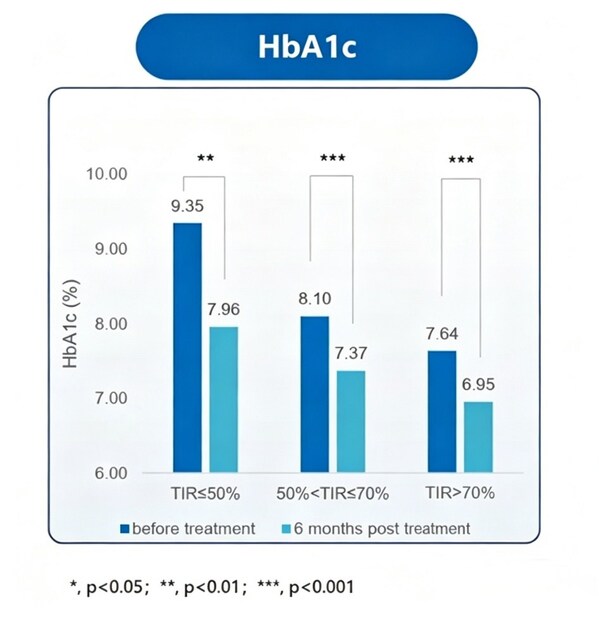
HbA1c levels decreased in all groups, with the highest reduction in the baseline TIR≤50% group
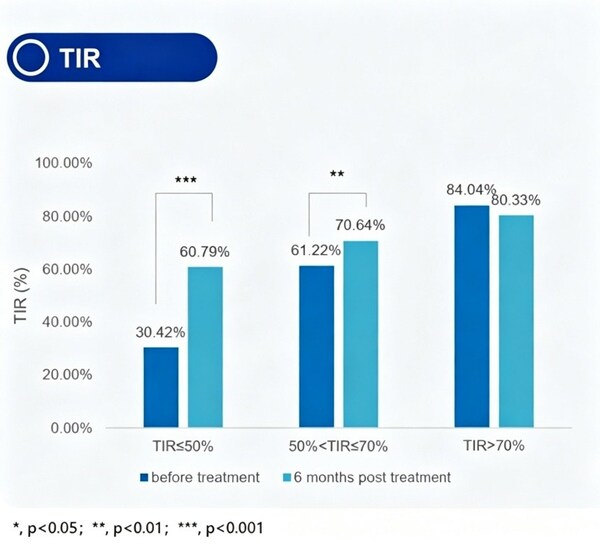
TIR levels improved in the two groups with non-target baseline TIR, while the group with target baseline TIR maintained target levels
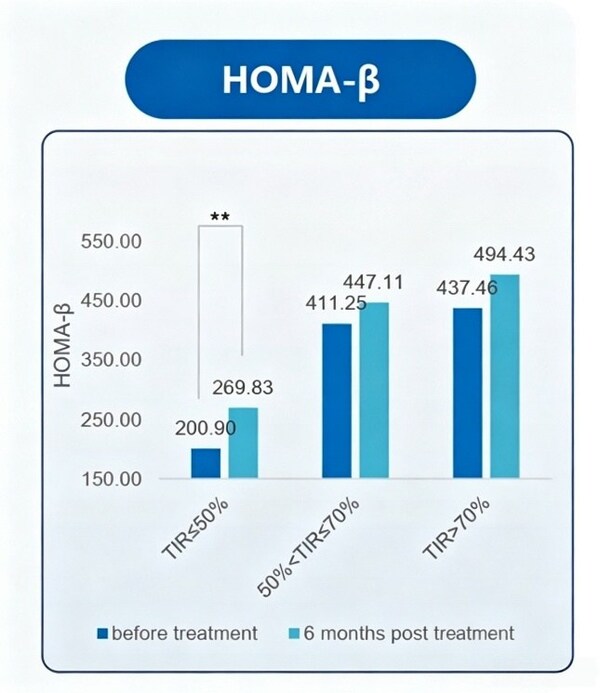
Pancreatic islet beta-cell function increased in all groups, with significant HOMA-β improvement in the baseline TIR≤50% group
This 6-month interim subgroup analysis showed: For real-world T2D patients with long disease duration and multiple medications, dorzagliatin provides clear glucose-lowering benefits. For patients with poor baseline TIR and severely uncontrolled blood glucose, treatment led to decreased HbA1c, improved TIR, enhanced pancreatic islet beta-cell function, and reduced insulin resistance, achieving overall blood glucose homeostasis restoration. This study provides evidence for new clinical glucose-lowering treatment options for complex T2D patients.
III. Deep AI Empowerment: Building a New Integrated System for Precision Diabetes Classification, Prediction, and Treatment
Centered on the core mechanism of glucokinase (GK), Hua Medicine has deeply integrated artificial intelligence (AI), large language models (LLM), and clinical big data to develop AI tools covering efficacy prediction, diabetes remission prediction, monogenic diabetes classification, and medical intelligent education. Hua Medicine also reported on related studies at this year’s ADA conference.
- GK Charger Intelligent Knowledge Platform: An LLM-Powered Interactive Clinical Education System.
GK Charger is an AI-powered medical education platform developed based on a large language model (LLM). It integrates molecular mechanisms, pharmacological properties, clinical studies, guideline consensus, and real-world evidence, transforming complex scientific concepts related to glucokinase into evidence-based content applicable for clinicians and patients. Clinicians, researchers, patients, and the general public can ask questions at any time, and the platform converts complex scientific concepts into evidence-based answers suitable for clinical scenarios and easily understood by patients. GK Charger provides a scalable framework for precision medical education, facilitating the integration and dissemination of complex biomedical knowledge and strongly supporting the clinical application of GK-targeted therapies in type 2 diabetes. - Blood Glucose Control and Diabetes Remission Prediction Models: Personalized Treatment Decision Tools
Based on clinical study data for dorzagliatin, Hua Medicine has constructed efficacy prediction models for clinicians. These models can predict key indicators such as HbA1c response rate and diabetes remission rate in patients receiving dorzagliatin treatment, providing a novel and practical tool for individualized diagnosis and precision medicine in type 2 diabetes. Their application value will be further expanded as data continues to accumulate in the future. - GK Mutation AI Precision Analysis System: Accelerating MODY2 Precision Diagnosis and Medication Guidance
GK mutations are the primary cause of MODY2. Hua Medicine has constructed a database of nearly a thousand GK mutations. Combining protein structure analysis, protein evolution models, and AI large language models, it has developed an intelligent GK mutation analysis system. This system can locate mutation sites, assess functional impact, evaluate disease risk, and predict response to dorzagliatin within seconds, achieving an overall accuracy rate of 90%. This tool is expected to provide a basis for rapid genetic diagnosis of MODY2 and guide targeted medication, enhancing the efficiency and accessibility of precision diagnosis and treatment for monogenic diabetes.
Furthermore, Hua Medicine announced an innovative detection technology that can be directly used for kit development, providing a more reliable, stable, and efficient tool for assessing short-term blood glucose fluctuations and enabling precise clinical testing in diabetes.
Academic Honor
Notably, Dr. Lingge Feng, Senior Director of the Research and Discovery Technology Department at Hua Medicine, was awarded the ADA Early Career Abstract Award, receiving recognition from the global diabetes research community. This award aims to recognize outstanding early-career researchers in the diabetes field with significant academic potential and original contributions, representing an important official recognition from the global diabetes academic community for young scientists. Based on his long-term accumulation and efforts in dorzagliatin development and the development of AI-assisted precision diabetes treatment algorithms, this award not only reflects the scientific quality of Hua Medicine’s related research but also further highlights that the Company’s cutting-edge exploration in innovative drug R&D and AI-empowered diabetes diagnosis and treatment has gained recognition from the global academic community, helping China’s innovative drug R&D efforts to continuously step onto the world stage.
From expanding the pan-metabolic disease landscape through combination therapies, to building a foundation of long-term safety and efficacy with real-world evidence, to upgrading the entire precision diagnosis and treatment process driven by AI and breakthroughs in innovative detection technology, Hua Medicine’s series of achievements at this year’s ADA comprehensively, multi-dimensionally, and systematically confirm the mechanistic uniqueness and broad clinical applicability of dorzagliatin as a first-in-class GKA. It not only has the potential to treat type 2 diabetes from its “root cause” but is also expected to accelerate clinical research and indication expansion for dorzagliatin in pan-metabolic diseases such as obesity, MASLD, and MODY2, targeting broader patient populations and more metabolic disorders.
|
[The information contained in this press release is derived from materials publicly presented at the 86th American Diabetes Association (ADA) Scientific Sessions. This document aims to summarize the research progress and innovative achievements disclosed by Hua Medicine at the conference, intended for investors, analysts, and healthcare professionals to understand scientific research and corporate developments. This document does not constitute any investment advice. Descriptions involving future expectations, pipeline progress, or regulatory timelines are forward-looking statements subject to various risks and uncertainties, and actual results may differ materially from expectations.] |
About Hua Medicine
Hua Medicine (“the Company”) is an innovative drug research, development, and commercialization company headquartered in Shanghai, China, with offices in the United States and Hong Kong, China. Hua Medicine focuses on unmet medical needs and develops novel therapies for patients worldwide. The Company gathers high-quality talent from the global pharmaceutical industry, integrates global innovative technologies, and leverages global superior resources to research and develop breakthrough technologies and products, leading global innovation in diabetes treatment. The Company’s core product, Huantangning® (dorzagliatin tablets), targets the glucose sensor glucokinase to enhance glucose sensitivity in patients with type 2 diabetes and improve their dysregulated blood glucose homeostasis. On September 30, 2022, Huantangning® received marketing approval from the National Medical Products Administration (NMPA) of China for use as monotherapy or in combination with metformin for the treatment of type 2 diabetes in adults. No dose adjustment is required for patients with renal impairment, making it an oral glucose-lowering drug suitable for type 2 diabetes patients with renal impairment. In February 2026, dorzagliatin (trade names: MYHOMSIS®, 華領片®) received marketing approval from the Drug Office of the Department of Health of the Hong Kong Special Administrative Region Government.