

ShanghaiMay 13, 2026 /PRNewswire/ — Recently, the LEGO Group launched a brand campaign themed “Unleash All Imagination,” showcasing its positive achievements in sustainable development—the packaging bags in LEGO® product sets have transitioned from single-use plastic bags to paper-based bags. Currently, more than half of the global packaging lines have completed the conversion to paper-based bags, and LEGO fans can gradually find paper bags in the product sets they purchase.
This progress profoundly reflects the LEGO Group’s commitment, as a company that takes children as its role model, to driving sustainable development through concrete actions, striving to create a better and more sustainable future for children.
Positive Progress in Transition to Paper-Based Packaging Bags
Since 2022, the LEGO Group has been advancing the transition from single-use plastic bags to paper-based bags across all packaging lines, aiming to complete the global transformation by 2027. To ensure the new bags are durable, lightweight, and enhance the building experience, the LEGO Group tested over 180 paper materials before finalizing a design made from 95% paper material with a thin plastic coating. This ensures airtightness, suitability for storing LEGO bricks, and prevents breakage during transportation.
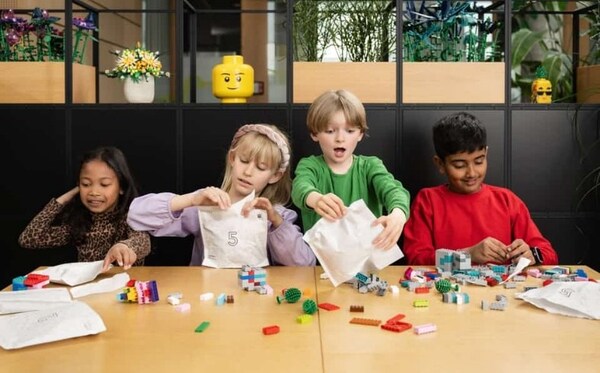
Consumers will gradually see paper-based packaging bags in LEGO® product sets
The application of these paper-based bags also enhances the consumer building experience: tear lines and clear numbering on the bags make the assembly process smoother; a design that allows them to stand upright facilitates temporary storage of LEGO bricks, and they can be folded for storage after opening, making it easy to pause or resume building; the opaque material adds an element of surprise to the building process, while the unique patterns designed for different product lines make each “unboxing” experience distinctive.
Every LEGO Group factory worldwide has begun this transition. To date, 56% of packaging lines have switched to paper-based solutions. This progress effectively responds to children’s current concerns about sustainability—according to a 2024 LEGO Group survey, 81% of children prioritize recycling, and a similar proportion (80%) focus on reducing waste*.
The LEGO Group’s Jiaxing Factory, as a key production base in the Asia-Pacific region, has been actively fulfilling the Group’s commitment to sustainable development. Since launching the paper-based bag pilot project in 2023, the Jiaxing Factory has been accelerating the transition from single-use plastic packaging to paper-based bags. Through the joint efforts of the Group and all factory employees, the LEGO Group Jiaxing Factory has recently achieved a 100% conversion of its existing paper-based packaging lines.
Jesper Toubøl, Vice President of R&D and Packaging at the LEGO Group, stated that this progress marks only the completion of the first phase of the paper-based bag transition: “We are in a continuous optimization process. Once the full conversion of paper-based packaging lines is complete, we will continue to explore improvement solutions, constantly refining the paper-based bags to provide children and families with an even better building experience.”
Multiple Measures to Make LEGO® Play More Sustainable
In addition to the shift to paper-based bags, the bricks inside the packaging are also changing. To achieve the goal of using more sustainable materials in products by 2032, the LEGO Group has tested over 600 materials, with some showing positive progress—bio-polyethylene (bio-PE) derived from Brazilian sugarcane is used to produce over 200 different plant elements and minifigure accessories; elements made from recycled artificial marble (arMABS) are used to create over 900 transparent elements, such as lightsabers, windshields, and windows. These elements made from sustainable materials are now all produced at the LEGO Group’s Jiaxing Factory.

LEGO® elements made from renewable and recycled materials are widely used in LEGO product sets
At the same time, the LEGO Group is increasing the proportion of renewable materials in its raw material procurement through the mass balance principle. According to the LEGO Group’s fiscal year 2025 results, the Group has significantly increased the share of renewable and recycled materials in the raw materials procured for brick production for three consecutive years, rising from 33% in 2024 to 52% in 2025**.
Furthermore, the LEGO Group aims to reduce carbon emissions from its global operations and decouple business growth from carbon emissions. To this end, the Group is taking concrete steps to reduce greenhouse gas emissions from the production and sale of LEGO bricks, including increasing solar panel capacity, phasing out natural gas, and implementing supplier sustainability programs, with the goal of reducing carbon emissions by 37% by 2032 (compared to 2019) and achieving net-zero carbon emissions by 2050.
As a key component of the Group’s carbon emission targets, the Jiaxing Factory has installed over 20,000 rooftop solar panels and plans to further expand capacity this year to significantly increase solar panel output; it has installed cooling systems to recover waste heat and reduce natural gas usage; and signed a renewable electricity purchase agreement in August 2025, moving towards 100% renewable energy operations.
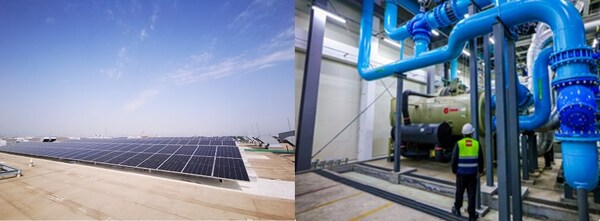
LEGO Group Jiaxing Factory takes concrete measures to continuously reduce carbon emissions
From material selection to packaging design, from production operations to energy use, the LEGO Group is making itself more sustainable, one brick at a time. In the future, the LEGO Group will continue to increase investment in sustainable development, reduce its environmental footprint, and create a positive impact on the world and the communities it serves, building a better future!
*This data comes from the “LEGO Play Report 2024”: This report was commissioned by the LEGO Group and conducted by Edelman DXI from December 13, 2023, to January 24, 2024. The total sample size was 61,532 respondents, including 36,000 parents and 25,532 children aged 5-12, from 36 countries and regions.
**Among the core raw materials used in LEGO brick production (excluding colorants), the proportion from sustainable sources increased from 50% in 2024 to 64% in 2025. This result stems from the proportion of resin procured through the mass balance method rising to 60%, and the proportion of separately managed sustainable materials rising to 4%, leading to an estimated average proportion of renewable and recycled materials in raw materials procured for LEGO brick production reaching 52%, reducing the use of fossil-based virgin materials by an equivalent amount. Certified mass balance materials are made from a mixture of fossil-based virgin raw materials and renewable raw materials such as waste vegetable oil. For more details, please refer to page 28 of the “LEGO Group Annual Report 2025.”