

Empowering Chinese Food Enterprises to Expand into the U.S. Market with Professional Compliance Services
GuangzhouMay 3, 2026 /PRNewswire/ — During the 139th Canton Fair, SGS-CSTC Standards Technical Services Co., Ltd. (hereinafter referred to as “SGS”) and the China Chamber of Commerce of Import and Export of Foodstuffs, Native Produce and Animal By-Products (hereinafter referred to as “CFNA”) jointly released the Legal Guidance Manual for Exporting Food to the United States (2026 Edition) (hereinafter referred to as the “Manual”). Wang Jian, General Manager of SGS China’s Agricultural and Food Division, and Cao Derong from CFNA jointly attended the launch ceremony.
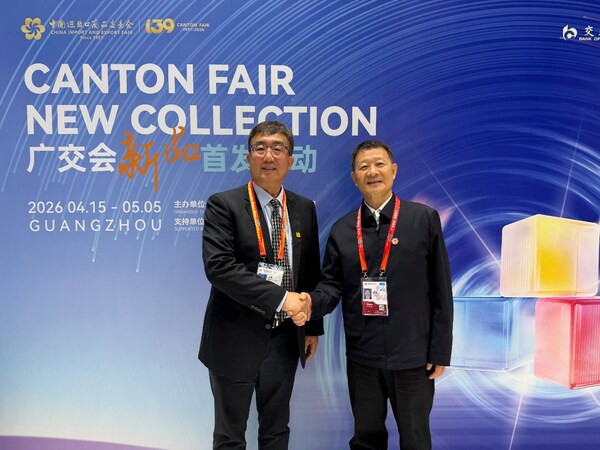
Caption: Wang Jian (left), General Manager of SGS China’s Agricultural and Food Division, and Cao Derong (right) from CFNA jointly release the Manual
Subsequently, Wang Jian, General Manager of SGS China’s Agricultural and Food Division, and Zhou Wen, Director of the Membership Department and Secretary-General of the Food Supply Chain Branch of CFNA, introduced the Manual’s features, usage methods, and how it can assist users to an audience from multiple countries via the Canton Fair live streaming room.
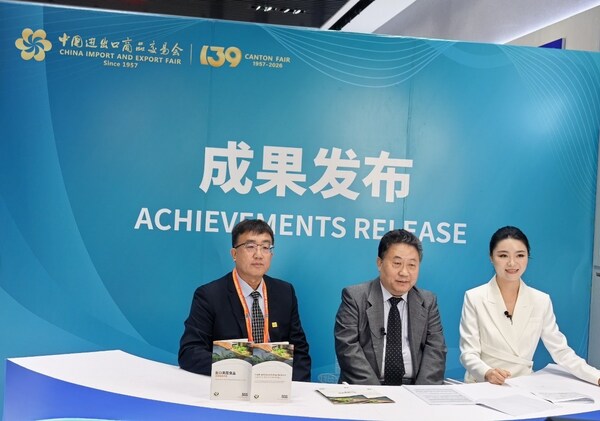
Caption: Wang Jian (left), General Manager of SGS China’s Agricultural and Food Division, and Zhou Wen (center), Director of the Membership Department and Secretary-General of the Food Supply Chain Branch of CFNA, in the live streaming room
The United States is a key overseas market for Chinese food exports. In recent years, the categories of Chinese beverages, snack foods, condiments, and fruit and vegetable products exported to the U.S. have become increasingly diverse and active in trade. At the same time, the U.S. food regulatory system has been continuously refined and updated. Relevant compliance requirements in areas such as registration, declaration, labeling, and market supervision have become more systematic and consistent, imposing more detailed demands on the compliance management of exporting enterprises.
This Manual precisely addresses the compliance challenges faced by enterprises, offering core value to help them tackle these challenges: AI technology was utilized in its compilation to efficiently retrieve, batch collect, and structurally organize information, rapidly processing vast amounts of regulatory texts and significantly enhancing the efficiency of information gathering and preliminary sorting. On this basis, SGS’s senior food compliance experts conducted a thorough review of each item, verifying the regulatory basis, scope of application, and accuracy of expression. They also supplemented and corrected key chapters based on common misunderstandings and operational difficulties encountered in actual service processes, ensuring that the presented information aligns with current public regulations, providing enterprises with timely and accurate information and insights.
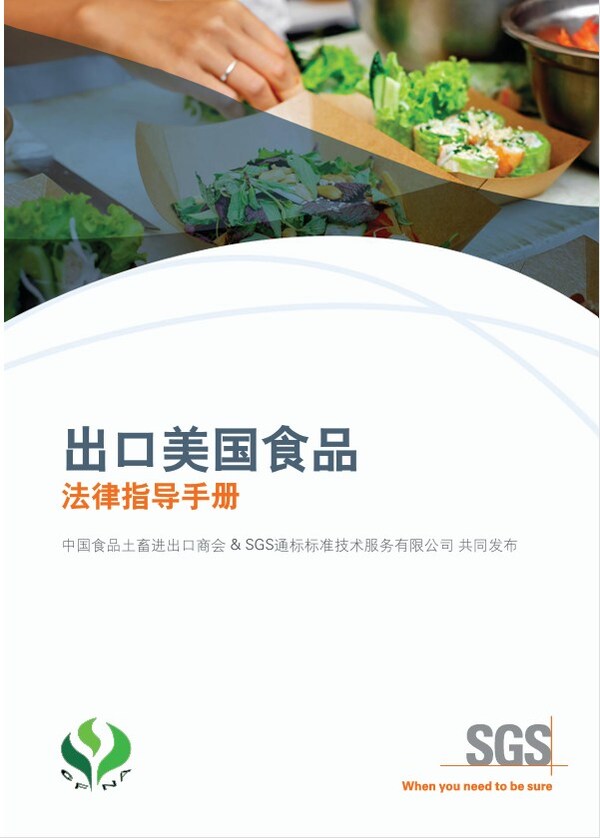
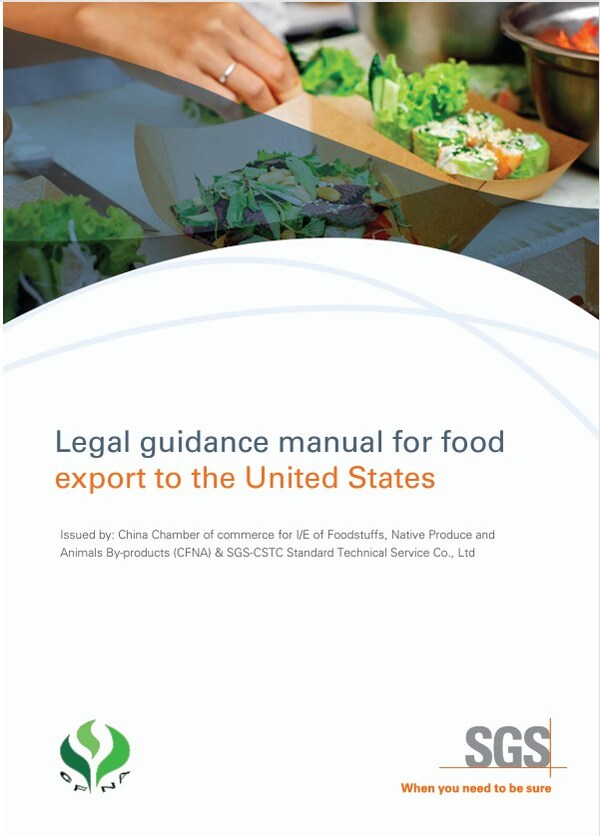
Caption: SGS launches the Legal Guidance Manual for Exporting Food to the United States (2026 Edition)
Wang Jian, General Manager of SGS China’s Agricultural and Food Division, stated at the launch: “In the food sector, SGS, as an internationally recognized testing, inspection, and certification organization, has long been committed to helping all parties better understand and address regulatory and compliance requirements across different markets through independent and objective technical services. Against the backdrop of deepening global food trade, the U.S., as a major food import market, is known for its highly systematic and detailed regulatory framework. Accurate understanding and implementation of relevant regulations have become an indispensable part of the food export process. Based on years of technical service and regulatory research experience, SGS has systematically organized U.S. food-related regulatory requirements to produce this Manual. This Manual does not make judgments or promises regarding enterprise compliance outcomes but serves as a structured and reference-oriented explanation of the U.S. food regulatory system, helping enterprises better understand the relevant regulatory framework and key management points, thereby supporting their own compliance management and risk assessment.”
Director Zhou Wen from CFNA highly praised the Manual’s release, stating that it transforms complex U.S. regulations into practical, actionable guides that enterprises can easily understand and implement. This can help enterprises lower compliance barriers, reduce risks of detention and recall due to issues with qualifications, labeling, additives, traceability, and microorganisms, improve customs clearance efficiency, and assist enterprises in establishing a long-term compliance system, ensuring the stable development of their export business to the U.S.
This released Manual marks another deep collaboration between SGS and CFNA, following their joint release of the Concise Manual on Access Regulations for Imported Food in China at the 3rd China International Import Expo in 2020, resulting in an industry service achievement.
Following the launch at this Canton Fair, both parties will leverage the Canton Fair exchange platform, nationwide service networks, and online digital channels to jointly promote the Manual. SGS will conduct interpretation sessions, export compliance training for the U.S., and on-demand technical support activities based on the regulatory content covered in the Manual. CFNA will promote the Manual across the industry through its official website, WeChat public account, member communities, and other channels, simultaneously organizing supporting activities such as Manual interpretation, online sharing sessions, and compliance consultations, enabling food export enterprises nationwide to conveniently access, learn, and use the Manual. Additionally, both parties will collaborate with local relevant organizations to carry out offline presentations, enterprise visits, and other activities, focusing on small and medium-sized enterprises with relatively limited compliance resources, to help them better understand and apply the Manual’s content.